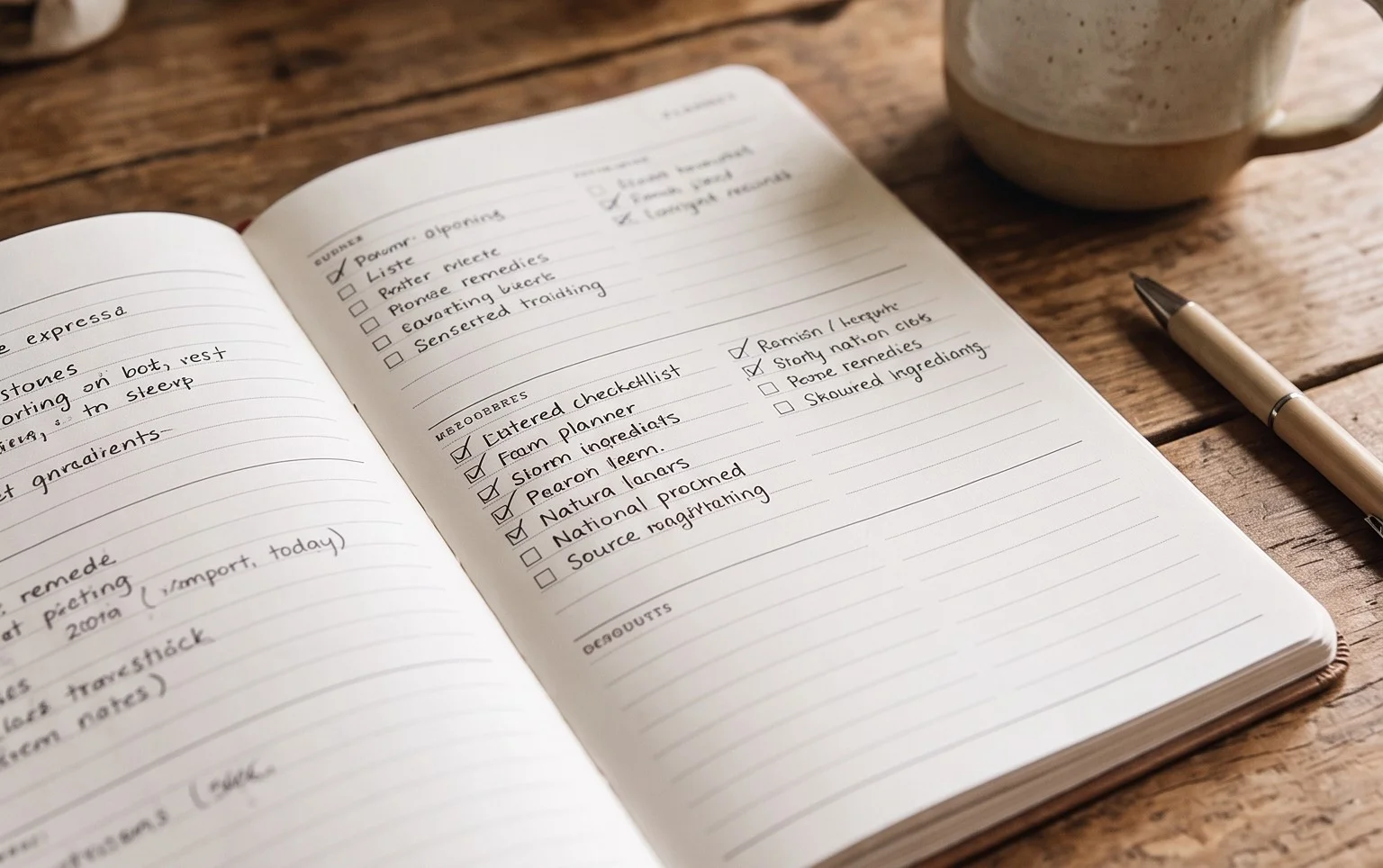
The Only Specific Life Planner for Hot Mess Moms is designed to be your gentle guide through the beautiful chaos of motherhood. We understand that juggling everyday demands can feel overwhelming, leaving you searching for a sense of order and peace. This planner isn’t about perfection; it’s about practical, achievable steps to bring more calm and intention to your busy days. It’s particularly relevant for mothers who often feel stretched thin, whether you’re managing young children, a career, or simply the myriad tasks that come with running a household.
In this article, we’ll explore how this planner can help you manage your time more effectively, prioritize self-care without guilt, and create realistic goals that nurture both your well-being and your family’s. You’ll discover strategies to declutter your schedule and your mind, fostering a more present and fulfilling experience of motherhood.

The Only Specific Life Planner for Hot Mess Moms
Being a mom is a marathon, not a sprint, and sometimes, even the most well-intentioned mothers can feel like they’re running it with untied shoelaces and a forgotten snack. The term “hot mess mom” has become a relatable shorthand for the overwhelm, the juggling act, and the occasional feeling of being completely out of control. But what if there was a way to navigate this beautiful chaos with a bit more intention and a lot less frantic energy? This isn’t about achieving perfection, which is an impossible and frankly, unhelpful, standard. Instead, it’s about a specific kind of life planner, designed not to erase the “mess,” but to help you find your footing within it.
What is a “Hot Mess Mom” Life Planner?
In plain language, a “hot mess mom” life planner is a system or tool designed to bring a sense of order and intentionality to the lives of mothers who often feel overwhelmed by the demands of parenting, household management, work, and personal well-being. It’s not a rigid schedule that dictates every moment, but rather a flexible framework that helps you identify priorities, manage your energy, and carve out small pockets of time for yourself, even when life feels like a tornado. Think of it as a personalized roadmap through the daily storm, helping you find the calm eye of it. This planner acknowledges the inherent messiness of motherhood and provides practical strategies to not just cope, but to thrive within it. It’s about building resilience and self-compassion, rather than aiming for an unattainable ideal.
Common Signs of a “Hot Mess Mom” Experience
Feeling like a “hot mess mom” is often characterized by a collection of common experiences and challenges. Recognizing these can be the first step towards finding solutions.
* Constant feeling of being overwhelmed: Tasks pile up, and even small things feel insurmountable.
* Chronic fatigue: Sleep deprivation is a common companion, leading to persistent tiredness.
* Guilt and self-criticism: Feeling like you’re not doing enough, or doing anything right, for your children or yourself.
* Difficulty prioritizing: Everything seems urgent, making it hard to know where to start.
* Neglecting self-care: Your own needs (physical, mental, emotional) fall to the bottom of the list.
* Disorganization and chaos: Piles of laundry, cluttered spaces, forgotten appointments, and a general sense of things being out of control.
* Strained relationships: Feeling disconnected from your partner, friends, or even your children due to exhaustion and overwhelm.
* Frequent interruptions: Constant demands from children and household responsibilities disrupt any attempt at focused work or personal time.
* Unrealistic expectations: Holding yourself to impossible standards of motherhood.
General Guidance for Navigating the Chaos
Health authorities and wellness experts generally emphasize a holistic approach to managing stress and improving well-being, particularly for busy caregivers. The core principles revolve around self-awareness, realistic expectations, and consistent, manageable self-care.
General guidance often includes:
* Prioritization and delegation: Understanding that you cannot do everything and learning to identify what is truly important versus what can wait or be shared.
* Time management techniques: Employing strategies to break down tasks, schedule realistically, and protect focused time.
* Mindfulness and stress reduction: Incorporating practices that help calm the nervous system and bring awareness to the present moment.
* Setting boundaries: Learning to say “no” to non-essential commitments and protecting your time and energy.
* Building a support system: Recognizing the importance of connecting with partners, family, friends, or community groups for emotional and practical help.
* Realistic self-expectations: Embracing imperfection and celebrating small wins instead of focusing on perceived failures.
* Regular physical activity: Even short bursts of movement can significantly impact mood and energy levels.
* Adequate sleep and nutrition: Prioritizing basic physical needs as foundational to overall well-being.
Practical Everyday Habits to Implement
The beauty of a “hot mess mom” planner lies in its adaptability and the focus on small, actionable steps that can be woven into the fabric of your day, rather than demanding a complete life overhaul.
* The 5-Minute Reset: Before diving into the next task, take just five minutes. This could involve deep breathing, stretching, listening to a favorite song, or simply sitting in silence. It’s a micro-break to recalibrate.
* The “One Thing” Rule: Each day, identify one small, achievable thing you want to accomplish for yourself or your household. This could be making your bed, reading a chapter of a book, or having a 10-minute conversation with your partner without interruptions.
* Batching Similar Tasks: Instead of doing laundry here and there, dedicate a specific time to all your laundry needs. Group similar errands together. This reduces context-switching and mental load.
* “Good Enough” Mindset: For household chores, sometimes “done” is better than “perfect.” Let go of the need for everything to be spotless or impeccably organized. Focus on functionality.
* Scheduled Connection: Even if it’s just a five-minute text or a quick call, intentionally schedule brief check-ins with your partner or a supportive friend. Social connection is a powerful buffer against stress.
* Hydration and Nourishment Stations: Keep water bottles filled and healthy snacks easily accessible. This simple act can prevent energy crashes and the urge to grab less healthy options when hunger strikes.
* Power Piles: Instead of letting clutter spread everywhere, designate specific “power piles” for items that need attention (e.g., bills to pay, items to return, school papers to sign). Address these piles during designated times.
* Morning Pages (Modified): If a full journal entry feels overwhelming, try writing down just three things you are grateful for, or one intention for the day, in the morning.
What the Evidence Does and Does Not Support
The effectiveness of a structured approach to planning, prioritization, and self-care is well-supported by various health and psychological studies. Evidence generally supports that:
* **Organization and planning:** Can reduce feelings of overwhelm and increase a sense of control, positively impacting mental well-being.
* **Mindfulness and stress reduction techniques:** Are demonstrably effective in lowering stress hormones, improving focus, and enhancing emotional regulation.
* **Regular physical activity:** Is consistently linked to improved mood, reduced anxiety, and better sleep quality.
* **Social support:** Acts as a significant protective factor against stress and burnout.
* **Setting realistic expectations:** Can reduce self-criticism and foster greater self-compassion.
What the evidence **does not** support is the idea that any planner can magically eliminate all challenges of motherhood. Life will always present unexpected events, and no system can guarantee a perfectly smooth ride. The “hot mess mom” planner is not a cure-all, but a tool to enhance coping mechanisms and build resilience. It does not support the notion that mothers should be solely responsible for all household and emotional labor without adequate support.
Common Myths Worth Correcting
Several misconceptions surround the idea of planning, especially for mothers who feel they are already failing.
* **Myth 1: Planning means being rigid and inflexible.** In reality, a good planner, especially one for the “hot mess mom,” is designed to be flexible. It’s about creating a framework, not a straitjacket. It allows for adjustments when life inevitably throws a curveball.
* **Myth 2: Only “organized” people need planners.** This is precisely the opposite. Planners are tools for those who *struggle* with organization or feel overwhelmed by disorganization. They are designed to *create* order.
* **Myth 3: Planning takes too much time.** While there’s an initial investment of time, the long-term gains in efficiency, reduced stress, and saved mental energy far outweigh the initial effort. Small, consistent planning habits are more effective than infrequent, large-scale overhauls.
* **Myth 4: A planner will make me feel guilty if I don’t stick to it.** The “hot mess mom” planner is about progress, not perfection. It’s about acknowledging where you are and making small, intentional steps forward, with compassion for yourself when things don’t go as planned.
* **Myth 5: I need a fancy, expensive planner.** The most effective planner is one that works for *you*. It can be a simple notebook, a digital app, or a curated system of lists. The content and consistency are more important than the presentation.
When to Seek Professional Guidance
While a life planner can be an invaluable tool, it’s essential to recognize when professional support is necessary. If you are experiencing any of the following, it is strongly advised to consult with a qualified healthcare professional, such as a doctor, therapist, or counselor:
* Persistent feelings of hopelessness or despair.
* Difficulty functioning in daily life due to anxiety or depression.
* Thoughts of harming yourself or others.
* Significant changes in sleep patterns or appetite that are not explained by other factors.
* An inability to care for yourself or your children due to overwhelming stress.
* A sense that your stress and overwhelm are significantly impacting your relationships and overall quality of life.
* A feeling that your “hot mess” state is becoming a chronic and debilitating part of your identity.
A qualified professional can provide personalized assessments, coping strategies, and support tailored to your unique circumstances. They can rule out underlying medical conditions and offer evidence-based interventions to help you navigate challenges and improve your well-being. Remember, seeking help is a sign of strength, not weakness.
Conclusion
Navigating the beautiful chaos of motherhood is a journey, and this planner is designed to be your gentle guide. Remember, the key isn’t perfection, but progress. Embrace the practical takeaways of scheduling self-care, setting realistic expectations, and carving out moments of peace. Instead of drastic overhauls, focus on making small, sustainable changes that fit into your already full life. This article provides general information for the hot mess mom, and is not a substitute for professional medical or psychological advice. We encourage you to listen to your body and seek expert guidance when needed. Explore related topics on mindful parenting and stress management to further nurture your well-being.