22 Best Weight Loss Smoothie Recipes can be a delicious and convenient way to support your health and wellness goals. In our busy lives, finding time for nutritious meals can be a challenge. Smoothies offer a quick, easy, and nutrient-packed solution that can be incorporated into your daily routine, helping you feel more energized and satisfied.
This article is especially relevant for anyone looking for practical, enjoyable methods to incorporate more fruits, vegetables, and lean protein into their diet. Whether you’re just starting your weight loss journey or seeking new, refreshing options, you’ll find inspiration here. We’ve curated a collection of 22 diverse smoothie recipes designed to be both satisfying and beneficial for fat loss. Each recipe focuses on wholesome ingredients and balanced nutrition, offering a supportive approach to achieving your wellness aspirations.
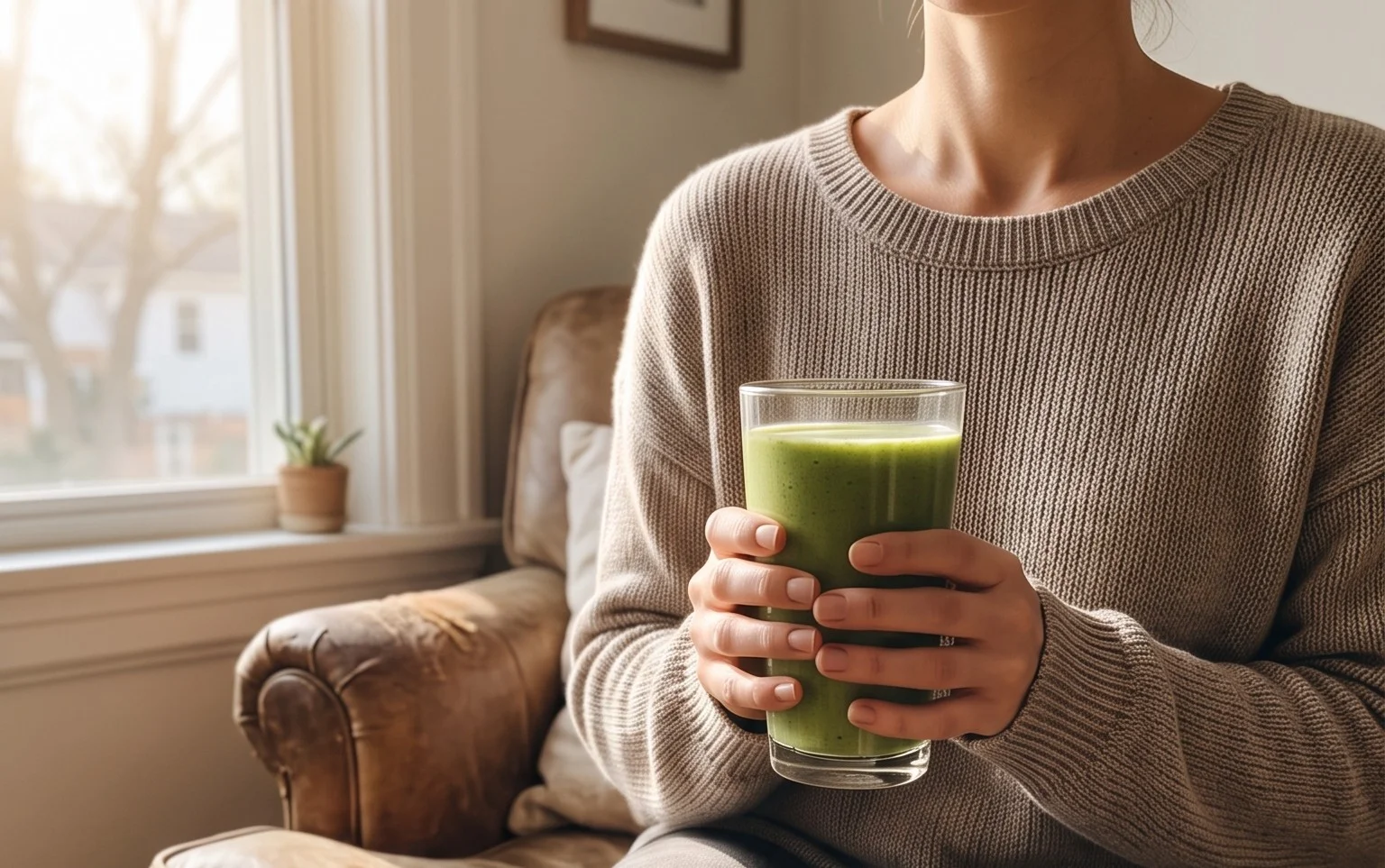
The Blended Advantage: Exploring 22 Weight Loss Smoothie Recipes for Fat Loss
Embarking on a weight loss journey can feel overwhelming, with countless diets and regimens vying for your attention. For many, smoothies offer a convenient and enjoyable way to incorporate nutrient-dense ingredients into their daily routine, potentially supporting their fat loss goals. This article delves into the world of weight loss smoothies, exploring what they are, the factors that contribute to their effectiveness, general health guidance, practical habits, the science behind them, common misconceptions, and when to seek professional advice.
What Exactly Are Weight Loss Smoothies?
In plain language, weight loss smoothies are blended beverages typically made with fruits, vegetables, and a liquid base, often enhanced with protein sources, healthy fats, and other nutrient-rich additions. The key principle behind their use in weight management is their ability to create a filling, nutrient-dense meal or snack that can help control calorie intake. By blending whole foods, you retain their fiber content, which is crucial for satiety and digestive health. The customizable nature of smoothies allows individuals to tailor them to their specific taste preferences and nutritional needs, making them a versatile tool in a broader weight loss strategy.
Common Signs and Factors Influencing Weight Loss Success
Before diving into specific recipes, it’s important to understand the broader context of weight loss. Several factors influence an individual’s ability to lose fat effectively. These can include:
- Dietary Habits: Consuming more calories than the body expends is a fundamental reason for weight gain.
- Physical Activity Levels: Regular exercise burns calories and builds muscle, which can boost metabolism.
- Sleep Quality and Quantity: Poor sleep can disrupt hormones that regulate appetite and metabolism.
- Stress Levels: Chronic stress can lead to increased appetite and fat storage.
- Hormonal Balance: Various hormones play a role in appetite regulation, metabolism, and fat distribution.
- Genetics: While not solely deterministic, genetic factors can influence metabolism and body composition.
- Underlying Health Conditions: Certain medical conditions can affect weight.
Recognizing these factors can help individuals approach weight loss with a holistic perspective, understanding that smoothies are just one piece of a larger puzzle.
General Guidance for Weight Loss
Leading health authorities consistently emphasize a balanced and sustainable approach to weight loss. The general guidance often revolves around:
- Creating a Calorie Deficit: Consuming fewer calories than your body uses is essential for fat loss. This can be achieved through dietary adjustments and increased physical activity.
- Nutrient-Dense Foods: Prioritizing whole, unprocessed foods that provide essential vitamins, minerals, and fiber is crucial.
- Adequate Protein Intake: Protein helps with satiety, preserves muscle mass during weight loss, and requires more energy to digest.
- Healthy Fats: Including sources of monounsaturated and polyunsaturated fats supports overall health and can contribute to feeling full.
- Regular Physical Activity: Combining aerobic exercise with strength training offers the most benefits for fat loss and body composition.
- Sufficient Hydration: Drinking plenty of water supports metabolism and can help manage appetite.
- Mindful Eating: Paying attention to hunger and fullness cues, and savoring meals, can prevent overeating.
- Consistency and Patience: Sustainable weight loss is a gradual process that requires long-term commitment.
Weight loss smoothies can fit into this framework by offering a way to pack nutrients and protein into a meal or snack, potentially aiding in calorie control and promoting satiety.
Practical Everyday Habits to Support Fat Loss
Incorporating smoothies can be part of a larger, actionable strategy. Here are some everyday habits that readers can adopt:
- Plan Your Meals: Dedicate time to plan your meals and snacks for the week. This helps avoid impulsive, less healthy choices.
- Pre-Portion Ingredients: For smoothies, pre-portioning fruit, vegetables, and protein powders into individual bags or containers can save time and ensure consistent serving sizes.
- Hydrate First Thing: Start your day with a large glass of water.
- Incorporate Leafy Greens: Add spinach, kale, or other leafy greens to your smoothies. They are low in calories and packed with nutrients.
- Choose Lean Protein Sources: Opt for unsweetened Greek yogurt, protein powders (whey, plant-based), or silken tofu to boost protein content.
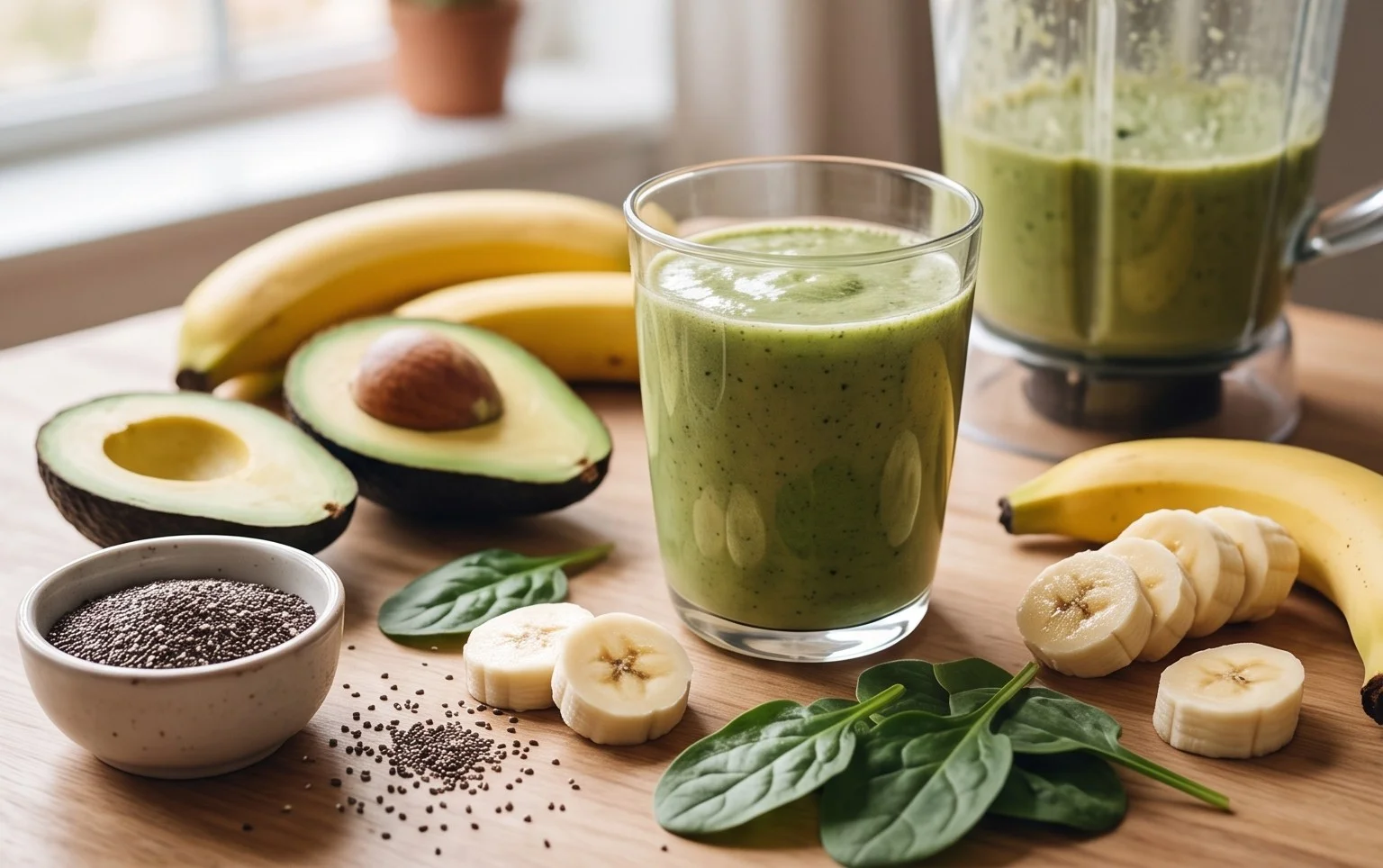
- Add Healthy Fats: Include a tablespoon of chia seeds, flaxseeds, or a quarter of an avocado for satiety and essential fatty acids.
- Limit Added Sugars: Be mindful of the natural sugars in fruits and avoid adding extra sweeteners like honey or maple syrup unless necessary, and in moderation.
- Listen to Your Body: Pay attention to how different foods make you feel. If a particular smoothie leaves you feeling unsatisfied, adjust the ingredients.
- Combine with Movement: Aim for at least 30 minutes of moderate-intensity physical activity most days of the week.
- Prioritize Sleep: Aim for 7-9 hours of quality sleep per night.
These habits, when practiced consistently, create a supportive environment for successful and sustainable fat loss.
What the Evidence Supports and Does Not Support
The evidence generally supports the role of smoothies as part of a balanced weight loss plan when they are formulated correctly. Smoothies can be effective for fat loss if they:
- Contribute to a Calorie Deficit: If a smoothie replaces a higher-calorie meal or snack and helps you consume fewer overall calories, it can support weight loss.
- Provide Adequate Protein and Fiber: These components are key for satiety, helping you feel fuller for longer and reducing the likelihood of overeating later.
- Are Nutrient-Dense: Smoothies can be an excellent way to increase your intake of fruits, vegetables, and other beneficial nutrients.
However, it’s crucial to understand what smoothies alone cannot achieve and what the evidence does not support:
- Smoothies are a Magic Bullet: There is no single food or drink that will cause significant, sustainable fat loss on its own. Weight loss is a complex process influenced by multiple lifestyle factors.
- All Smoothies Are Equal: High-sugar, low-fiber smoothies (often store-bought or made with excessive fruit juice) can actually hinder weight loss by contributing to calorie surplus and blood sugar spikes.
- Detoxification Claims: Scientific evidence does not support the widespread claims that specific smoothies or detox diets can “detoxify” the body. The liver and kidneys are the body’s primary detoxification organs, and a healthy diet supports their function.
- Instant Results: Significant and sustainable fat loss takes time and consistent effort.
The effectiveness of a weight loss smoothie lies in its ingredients, how it fits into your overall daily calorie intake, and your commitment to a healthy lifestyle.
Common Myths Worth Correcting
Several misconceptions surround weight loss smoothies. Let’s address a few:
- Myth: All fruit is bad for weight loss due to sugar.
- Myth: You can drink unlimited smoothies and still lose weight.
- Myth: Smoothies are a quick fix for weight loss.
- Myth: Smoothies are always healthy.
Correction: While fruits contain natural sugars, they also provide fiber, vitamins, and antioxidants. The fiber helps slow sugar absorption, and the nutrients contribute to overall health. It’s about moderation and balancing fruit with other ingredients like protein and healthy fats.
Correction: Calories still count, even in liquid form. If your smoothies are very high in calories due to large portions of calorie-dense ingredients like nuts, seeds, or sweeteners, they can contribute to weight gain rather than loss.
Correction: Sustainable weight loss is a journey, not a race. Smoothies can be a helpful tool, but they need to be part of a consistent healthy eating pattern and lifestyle.
Correction: As mentioned, the healthfulness of a smoothie depends entirely on its ingredients. Many commercially available smoothies are laden with added sugars and lack adequate protein and fiber.
When to Speak to a Qualified Professional
While smoothies can be a beneficial part of a weight loss strategy, it’s essential to recognize when professional guidance is necessary. You should speak to a qualified healthcare professional, such as a doctor, registered dietitian, or nutritionist, if you:
- Have underlying health conditions: If you have conditions like diabetes, kidney disease, heart disease, or digestive disorders, it’s crucial to get personalized advice before making significant dietary changes.
- Are experiencing unexplained weight changes: Significant and unintentional weight loss or gain without dietary or lifestyle changes warrants medical attention.
- Are struggling with an eating disorder: If you have a history of disordered eating or are experiencing obsessive thoughts about food and body weight, professional help is vital.
- Are unsure about your nutritional needs: A registered dietitian can help you create a balanced eating plan tailored to your individual needs and goals.
- Are not seeing the results you expect: If you are consistently following a healthy eating plan and exercising but not achieving your weight loss goals, a professional can help identify potential barriers.
- Are taking medications: Certain medications can interact with specific foods or nutrients, and a professional can advise accordingly.
Your health is paramount, and seeking expert advice ensures you are pursuing weight loss in a safe, effective, and sustainable manner.
Conclusion
Embarking on a weight loss journey can feel overwhelming, but incorporating these delicious and nutrient-packed weight loss smoothie recipes can be a simple and enjoyable step. Remember, the key is not drastic overhauls, but rather consistent, small changes that you can sustain long-term. Experiment with different flavor combinations, focus on whole ingredients, and find what makes you feel energized and satisfied. This information is intended for general guidance only and is not a substitute for personalized advice from a qualified healthcare professional or registered dietitian. We encourage you to continue exploring other healthy eating and fitness topics on our site to further support your wellness goals.