Food Rx: Foods That Lower Cholesterol can be a powerful tool for supporting your well-being. This approach focuses on incorporating specific foods into your diet that have been shown to help manage cholesterol levels. Understanding and utilizing these dietary choices can have a positive impact on your everyday health by contributing to better cardiovascular health. While this information is beneficial for everyone aiming for a healthier lifestyle, it is particularly relevant for individuals seeking to proactively manage their cholesterol or those with a family history of heart concerns.
In this article, we will explore a selection of delicious and accessible foods that can play a role in a cholesterol-conscious diet. We’ll discuss their benefits and offer practical tips for integrating them into your family’s meals. Our aim is to provide you with empowering, factual information to make informed choices for your family’s health.

## Food Rx: Foods That Lower Cholesterol | Healthy Family Project
High cholesterol is a silent concern for many families, often lurking without obvious symptoms until it becomes a significant health issue. Fortunately, the food we eat plays a powerful role in managing cholesterol levels. This article, “Food Rx: Foods That Lower Cholesterol,” from the Healthy Family Project, aims to demystify cholesterol and provide actionable insights into how dietary choices can contribute to a healthier heart for your entire family.
Understanding Cholesterol: The Basics in Plain Language
Cholesterol is a waxy, fat-like substance that your body needs to build healthy cells. It’s transported through your bloodstream by proteins called lipoproteins. There are two main types of cholesterol that are frequently discussed:
Low-density lipoprotein (LDL) cholesterol is often referred to as “bad” cholesterol. When there’s too much LDL cholesterol in your blood, it can build up on the walls of your arteries, forming plaque. This plaque can narrow your arteries, making it harder for blood to flow and increasing the risk of heart attack and stroke.
High-density lipoprotein (HDL) cholesterol is known as “good” cholesterol. HDL acts like a scavenger, picking up excess cholesterol from your arteries and transporting it back to your liver, where it’s processed and removed from the body. Higher levels of HDL are generally considered protective for your heart.
Your total cholesterol number is a combination of LDL, HDL, and other types of fat called triglycerides. While cholesterol is essential for bodily functions, having an imbalance – particularly high LDL and low HDL – can be a concern for long-term cardiovascular health.
Common Signs and Factors Associated with High Cholesterol
The challenging aspect of high cholesterol is that it rarely presents with noticeable symptoms. This is why it’s often called a “silent condition.” However, several factors can increase your risk of developing high cholesterol, and these are important to be aware of for your family’s well-being:
- Genetics and Family History: If heart disease or high cholesterol runs in your family, you may be more predisposed.
- Dietary Habits: A diet high in saturated and trans fats, and cholesterol-rich foods, can significantly impact blood cholesterol levels.
- Lack of Physical Activity: Regular exercise helps to raise HDL cholesterol and lower LDL cholesterol.
- Weight: Being overweight or obese can contribute to higher LDL cholesterol and lower HDL cholesterol.
- Age: Cholesterol levels tend to rise as people get older.
- Smoking: Smoking can lower HDL cholesterol and damage artery walls, making them more prone to plaque buildup.
- Certain Medical Conditions: Conditions like diabetes, kidney disease, and thyroid problems can affect cholesterol levels.
Because high cholesterol is often asymptomatic, regular health check-ups, including blood tests, are crucial for understanding your personal cholesterol profile.
General Guidance for Cholesterol Management
Health authorities around the world emphasize that a heart-healthy lifestyle is the cornerstone of managing cholesterol. While specific recommendations can vary, the general guidance typically focuses on a multi-pronged approach:
- Dietary Adjustments: This is where “Food Rx” truly shines. The focus is on increasing the intake of foods that have been shown to positively impact cholesterol levels and reducing those that can exacerbate them.
- Regular Physical Activity: Aiming for consistent aerobic exercise is a key recommendation.
- Weight Management: Maintaining a healthy weight or achieving weight loss if overweight can have a significant positive effect.
- Smoking Cessation: Quitting smoking is one of the most impactful steps anyone can take for their cardiovascular health.
- Limiting Non-Alcoholic Alternative Consumption: Excessive non-alcoholic alternative intake can negatively affect cholesterol and triglyceride levels.
These general guidelines are designed to create a supportive environment for your body to manage cholesterol effectively. They are not rigid rules but rather a framework for making healthier choices.
Practical Everyday Habits: Putting Food Rx into Action
The most effective way to manage cholesterol through diet is by incorporating specific foods into your family’s everyday meals. Here are practical, actionable habits you can start implementing:
Embrace Soluble Fiber
Soluble fiber acts like a sponge in your digestive system, binding to cholesterol and preventing its absorption into your bloodstream. Foods rich in soluble fiber include:
- Oats and barley
- Beans and lentils
- Apples, pears, and citrus fruits
- Brussels sprouts and psyllium
Habit: Start your day with a bowl of oatmeal, add a handful of beans to your salads or soups, or enjoy a piece of fruit as a snack.
Incorporate Healthy Fats
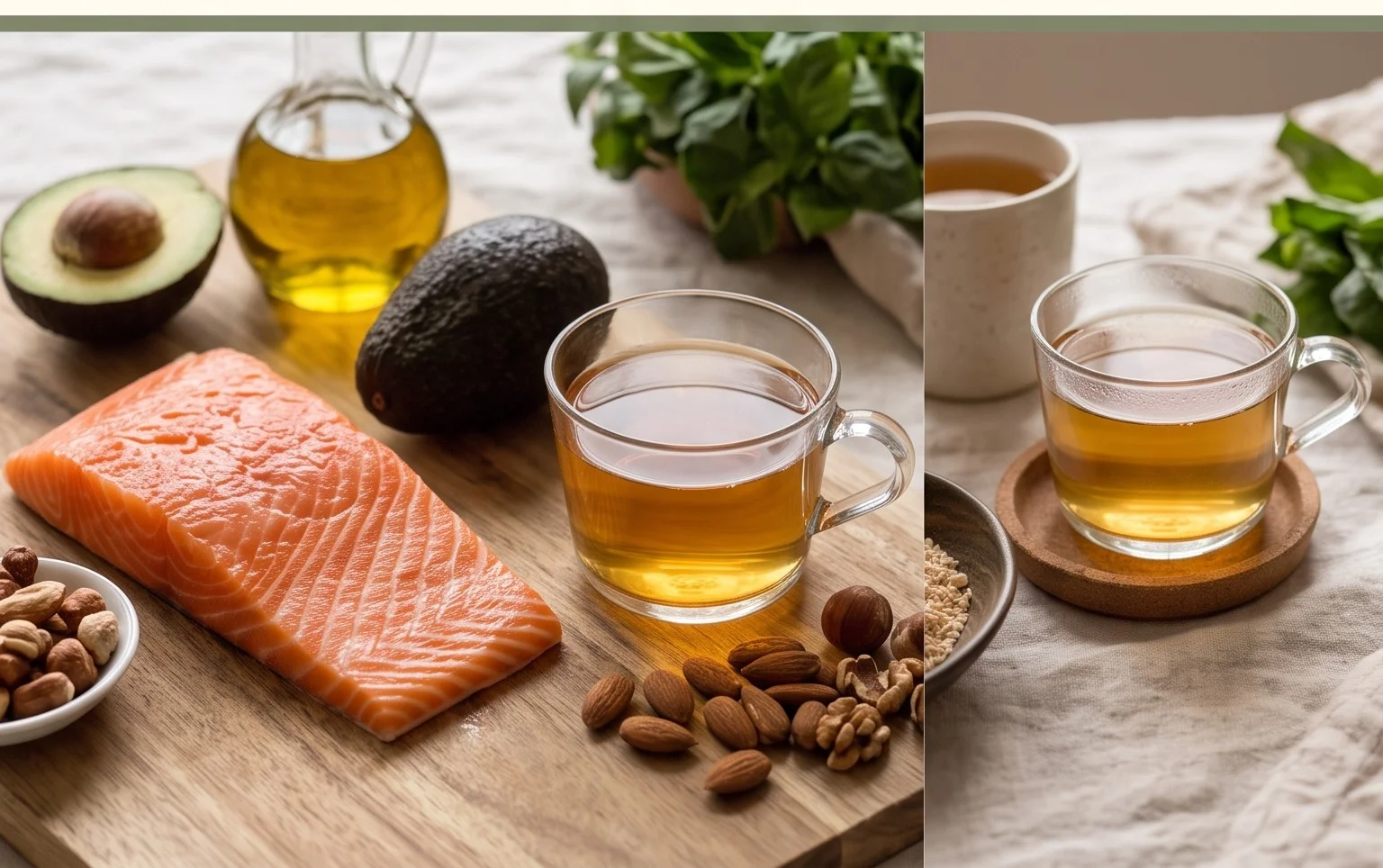
Not all fats are created equal. Unsaturated fats, particularly monounsaturated and polyunsaturated fats, can help lower LDL cholesterol when they replace saturated and trans fats in your diet. Excellent sources include:
- Avocados
- Nuts (almonds, walnuts, pistachios)
- Seeds (chia seeds, flaxseeds, sunflower seeds)
- Olive oil and other vegetable oils
- Fatty fish (salmon, mackerel, herring)
Habit: Use olive oil for cooking and salad dressings, snack on a small handful of nuts, or bake fish for dinner a couple of times a week.
Choose Lean Proteins
Opt for lean sources of protein to reduce your intake of saturated fat. This includes:
- Poultry without the skin
- Fish
- Beans, lentils, and tofu
- Low-fat dairy products
Habit: Swap red meat for chicken or fish, incorporate lentil soup as a main meal, or choose Greek yogurt for breakfast.
Limit Saturated and Trans Fats
These fats can raise LDL cholesterol. Common sources to reduce include:
- Fatty cuts of meat
- Butter, lard, and full-fat dairy products
- Fried foods
- Commercially baked goods (cookies, cakes, pastries)
- Processed foods
Habit: Read food labels carefully to identify and avoid trans fats, choose lower-fat dairy options, and be mindful of portion sizes for meats.
Consider Plant Sterols and Stanols
These compounds, found naturally in small amounts in plants, work by blocking the absorption of cholesterol in your digestive tract. Some foods are fortified with them.
- Fortified margarines
- Orange juices
- Yogurts
Habit: If you enjoy these fortified products, they can be a convenient way to boost your intake of sterols and stanols.
What the Evidence Supports and Doesn’t Support
The evidence strongly supports the role of diet in managing cholesterol levels. Numerous studies have demonstrated that diets rich in soluble fiber, healthy fats, and plant-based foods can lead to significant reductions in LDL cholesterol. Similarly, reducing intake of saturated and trans fats is consistently linked to improved cholesterol profiles.
However, it’s important to note what the evidence does *not* support: the idea that a single “superfood” can miraculously cure high cholesterol. While certain foods are beneficial, a holistic dietary approach is key. Furthermore, dietary changes are most effective when combined with other lifestyle factors like exercise and weight management.
The evidence also supports the understanding that individual responses to dietary changes can vary. What works exceptionally well for one person may have a less pronounced effect on another. This highlights the importance of personalized health advice.
Common Myths About Cholesterol Worth Correcting
Several misconceptions surround cholesterol, leading to unnecessary worry or the adoption of ineffective strategies. Let’s address a few:
Myth 1: All Cholesterol is Bad.
Correction: As discussed, your body needs cholesterol to function. HDL cholesterol, the “good” kind, is actually protective.
Myth 2: You Can Feel If You Have High Cholesterol.
Correction: This is perhaps the most dangerous myth. High cholesterol is typically asymptomatic, making regular check-ups essential.
Myth 3: Eating Cholesterol-Rich Foods is the Only Cause of High Cholesterol.
Correction: While dietary cholesterol plays a role, genetics, lack of exercise, and other lifestyle factors are also significant contributors.
Myth 4: Once You Have High Cholesterol, You Can Never Lower It.
Correction: With consistent, healthy lifestyle changes, including dietary adjustments, it is often possible to lower cholesterol levels and improve your heart health outlook.
Myth 5: Only Older People Get High Cholesterol.
Correction: While risk increases with age, high cholesterol can affect people of all ages, including children and younger adults, especially if there are genetic predispositions or unhealthy lifestyle habits.
When to Speak to a Qualified Professional
While this article provides general information and practical tips, it’s crucial to remember that individual health needs vary. You should speak to a qualified healthcare professional if:
- You have been diagnosed with high cholesterol.
- You have a family history of heart disease or high cholesterol.
- You are experiencing any symptoms that concern you, even if they seem unrelated to cholesterol.
- You are unsure about how to implement dietary changes for your family’s specific needs.
- You have other underlying health conditions that may affect your cholesterol levels.
- You are considering significant dietary changes or supplements.
A doctor, registered dietitian, or other qualified healthcare provider can assess your individual risk factors, interpret your cholesterol test results, and provide personalized recommendations tailored to your health status and family circumstances. They can guide you on the best “Food Rx” plan for your unique situation.
Conclusion
Embracing a heart-healthy diet doesn’t require a complete overhaul. By focusing on incorporating cholesterol-lowering foods into your existing meals, you can make a significant positive impact on your well-being. Remember, small, sustainable changes are often the most effective in the long run. Gradually introducing more fruits, vegetables, whole grains, and lean proteins, while mindfully reducing saturated and trans fats, can help manage your cholesterol levels naturally. This information is for general guidance only and should not replace advice from a qualified healthcare professional. We encourage you to explore further topics on healthy eating and lifestyle choices to support your family’s wellness journey.